

In the latest episode of ‘Keep Traveling: Your African Story‘, host Rael Zieve sat down with Lisa Roberti to talk about House in the Wild Kenya, a conservation-led safari lodge in the greater Mara ecosystem that offers a very different way of experiencing Africa. With more than 90 weeks spent travelling across the continent and safari experience in ten different countries, Lisa brings a deeply personal perspective on why House in the Wild Kenya stands out as a place where wildlife, community and landscape exist in real balance.
Rather than focusing on ticking off sightings, the conversation explores what happens when tourism supports people and land together. Through Lisa’s experiences, House in the Wild Kenya emerges not just as a place to stay, but as an example of how responsible safari travel can work on the ground.
A Lifetime Drawn Back to Africa
Lisa’s connection to Africa began more than thirty years ago, when she first visited Kenya. Like many travellers, she expected adventure, wildlife and new landscapes. What surprised her was the immediate sense of familiarity she felt on arrival.
Over the years, that feeling never faded. She returned again and again, travelling widely across the continent. Yet Kenya continued to draw her back, not because it felt predictable, but because it felt human. The warmth of the people, the openness of daily interactions, and the sense of belonging shaped her understanding of Africa long before conservation became a central theme in her travels.

Discovering House in the Wild Kenya
Among the many lodges Lisa has visited, House in the Wild Kenya holds a special place. Located in the northern reaches of the greater Mara, the lodge sits on land that tells a powerful story of transformation. Just over a decade ago, this area was primarily farmland. Wildlife had retreated, and the ecosystem was under strain.
Today, the landscape looks very different. Wildlife has returned, grasslands have recovered, and the area now forms part of a wider conservation effort rooted in cooperation rather than exclusion. What makes House in the Wild Kenya so distinctive is that conservation here is not theoretical. It is visible, practical and deeply connected to local livelihoods.
From Farmland to Functioning Ecosystem
Ten years ago, cattle farming dominated this part of the Mara. Instead of removing livestock completely, the surrounding conservancy adopted a rotational grazing system using mobile bomas. This allowed soil to recover naturally, improved grass quality and created space for wildlife to return.
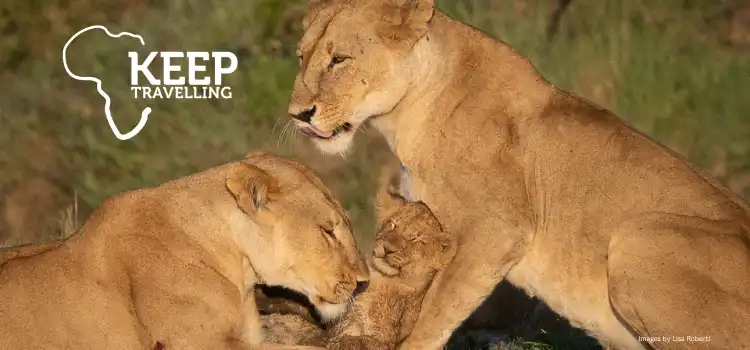
As prey species reappeared, predators followed. Today, guests regularly see lions, leopards, cheetahs, elephants, giraffes and large herds of plains game moving freely through the area. Livestock and wildlife coexist under careful management, demonstrating what a true community conservation safari Kenya can look like when local people are part of the solution.
Conservation That Includes People
One of the strongest themes in the conversation is that conservation only works when it benefits people as well as wildlife. House in the Wild supports a training centre that equips rangers with real-world skills, strengthening protection efforts across the conservancies.
Local women are taught to grow trees, which are then sold to lodges and nearby communities. Others learn to make soap and candles, creating small businesses that feed directly into the tourism economy. These initiatives provide income, stability and pride, reinforcing the value of protecting the land rather than exploiting it.
This approach turns conservation into something tangible. Wildlife is no longer a distant concept, but a shared asset that supports families and futures.
Getting to Kenya and the Mara
For travellers coming from North America, the journey to Africa can feel intimidating. Lisa breaks this down simply, drawing on years of experience flying from the United States. She has used a range of airlines over time, including KLM, Air France, British Airways, Swiss, Lufthansa, Qatar Airways and Turkish Airlines.
While European connections work well, she increasingly prefers routes through the Middle East that allow for longer uninterrupted flights. Fewer stopovers mean better rest and a smoother arrival.
Once in Nairobi, most guests connect through Wilson Airport for a short flight into the Mara. While driving can be scenic, flying saves time and avoids unpredictable road conditions that can impact tight international schedules.
First Impressions on Arrival
Arriving at House in the Wild feels different from arriving at a traditional safari lodge. Accommodation is spread across individual river-facing huts rather than clustered hotel-style rooms. Each space offers privacy, comfort and uninterrupted views of the surrounding landscape.
The interiors are warm and understated, designed to help guests slow down rather than impress them. Some rooms feature deep copper bathtubs overlooking the river, encouraging long, quiet moments rather than rushed routines. For families or groups, private houses offer an even more personal experience.
Shared Spaces and Everyday Comfort
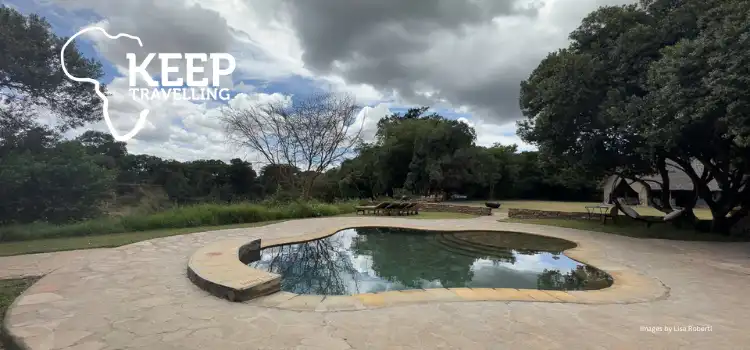
Beyond the rooms, House in the Wild feels genuinely homely. There is a swimming pool, a relaxed bar area and several indoor and outdoor spaces designed for conversation and reflection. Meals are served in different locations around the property, creating variety without formality.
Food is thoughtful, fresh and unpretentious. Dietary needs are handled with ease, and mealtimes feel more like shared moments than scheduled events. It’s another reminder that this is a place designed around people, not systems.

Wildlife Without the Crowds
Staying at House in the Wild Kenya gives guests access to several northern Mara conservancies, including Enonkishu, Lemek and Ol Chorro. These areas receive far fewer vehicles than the central Mara, making wildlife encounters quieter and more immersive.
Game drives here unfold at a natural pace. Sightings feel personal rather than competitive, and time spent observing behaviour often matters more than the number of species seen. In addition to traditional game drives, guests can explore on foot or even on horseback, offering a different way to experience the land.
Nature and the Human Nervous System
One of the most reflective parts of the conversation focuses on how time in nature affects the human nervous system. Lisa describes how being away from constant noise, screens and schedules allows the body to reset.
Safari offers a rare balance. There are moments of complete stillness, followed by bursts of excitement when wildlife appears. Yet the underlying sense of calm remains. This combination is difficult to replicate elsewhere and explains why many people return to Africa again and again.
Learning Through Conservation
Through years of travel, Lisa’s understanding of conservation has deepened. Wild spaces are disappearing rapidly, and protecting them requires long-term commitment rather than quick fixes.
Encouragingly, community-led conservation projects across Africa are showing real results. When people see clear benefits from protecting wildlife, attitudes shift. In several regions, species such as elephants and buffalo are beginning to recover as a direct result of these efforts.

Planning a Safari That Makes Sense
When advising first-time safari travellers, Lisa emphasises the importance of working with African specialists who understand the continent beyond marketing materials. Experience matters, particularly when planning routes, pacing and lodge combinations.
Equally important is slowing down. Trying to visit too many places in too little time leads to exhaustion and shallow experiences. Spending longer in fewer locations allows travellers to connect more deeply with both the land and the people.
Fear, Wildlife and Perspective
Safety concerns often come up when people think about safari travel. Lisa shares that in over thirty years, genuinely frightening moments have been rare. One early camping encounter with a cobra remains memorable, but it also highlights the importance of awareness and respect rather than fear.
Wild animals behave predictably when given space. People, as Rael notes during the conversation, are far less predictable.
Changing Perceptions of Africa
There is still work to be done in encouraging North American travellers to visit Africa. Media narratives often focus on instability, while positive realities receive less attention. At the same time, documentaries and storytelling continue to spark curiosity and inspiration.
Education plays a vital role. As more travellers experience Africa firsthand and share their stories, perceptions begin to change. The continent offers not only wildlife, but culture, depth and human connection unlike anywhere else.
Looking Ahead
Lisa’s future travel plans include Malawi, Mozambique and Namibia, alongside many regions of Kenya she has yet to explore. Her outlook is simple. In Africa, there are very few wrong choices. Each destination offers its own rhythm, lessons and memories.
A Different Kind of Safari Experience
House in the Wild Kenya represents a quieter, more thoughtful approach to safari travel. It shows that luxury does not need to come at the expense of people or nature. Instead, tourism can become a tool for protection, education and shared benefit.
For travellers seeking a community conservation safari Kenya rooted in authenticity and care, House in the Wild Kenya offers something genuinely meaningful. It is a place where landscapes recover, wildlife returns and people are part of the story.
For help planning a journey like this, or to speak with someone who understands Africa beyond the brochure, you can reach out directly at:
A few years from now, you will not remember how much it cost you, but you will always remember the memories you made. Keep Travelling.